Why risk your data? Learn why a WordPress malware removal agency is essential for WordPress security cleanup and the repair of hacked sites with WPCarePoint.
Choosing a professional WordPress malware removal agency is the fastest way to eliminate malicious code and restore your business’s digital reputation. While basic plugins can flag issues, a dedicated agency provides the deep WordPress security cleanup and manual WordPress malware removal required to close sophisticated backdoors and prevent immediate reinfection in the complex 2026 threat landscape.
Key Takeaways
- Expert Restoration: Professional agencies perform manual database and file audits that automated scanners often bypass.
- SEO Protection: Rapid WordPress hacked site repair prevents your domain from being permanently blacklisted by search engines.
- Security Hardening: Beyond cleaning, experts implement server-level firewalls to block the vulnerabilities that led to the hack.
- Market Dominance: With WordPress powering 43.5% of the web, specialized agencies have the specific “threat intelligence” needed for the platform.
Which Threats Does a WordPress Malware Removal Agency Eliminate?
In 2026, website threats have moved beyond simple defacement. A WordPress malware removal agency is equipped to handle “silent” infections such as SEO spam injections, unauthorized administrative users, and hidden crypto-miners. These agencies don’t just delete files; they perform forensic investigations to understand the root cause of the breach. By identifying whether the entry point was a vulnerable plugin or a brute-force attack, they provide a comprehensive WordPress security cleanup that secures the site for the long term.
How Does Social Engineering and Phishing Relate to WordPress Breaches?
A common misconception in WordPress virus removal is that hacks are always the result of a “code flaw.” In reality, many breaches are caused by social engineering or phishing attacks targeting the human administrators of the site. A WordPress malware removal agency doesn’t just look at the server; they look at the access logs to see if a legitimate user’s credentials were stolen. If a hacker gains access via a stolen password, they can upload malware through the standard media library, making the infection look like a “legal” upload to most basic security plugins.
During a WordPress security cleanup, an agency will audit all user accounts to look for compromised credentials. They often find “sleeper” accounts—old employee logins or forgotten test accounts—that hackers have reactivated. A professional WordPress malware removal agency will implement “Session Management” tools that force a logout of all active users and require a password reset via multi-factor authentication (MFA). This human-centric approach to malware cleanup for WordPress ensures that the “digital keys” to your website are changed, preventing the hacker from simply walking back through the front door using the same stolen credentials.
Furthermore, agencies provide training on how to spot “WP-Admin Phishing” emails. These are emails that look like official WordPress notifications but lead to a fake login page designed to steal your username and password. By combining technical WordPress hacked site repair with human-focused security training, an agency creates a “defense-in-depth” strategy. This ensures that your staff becomes a firewall rather than a vulnerability.
What is Included in a Professional WordPress Security Cleanup?
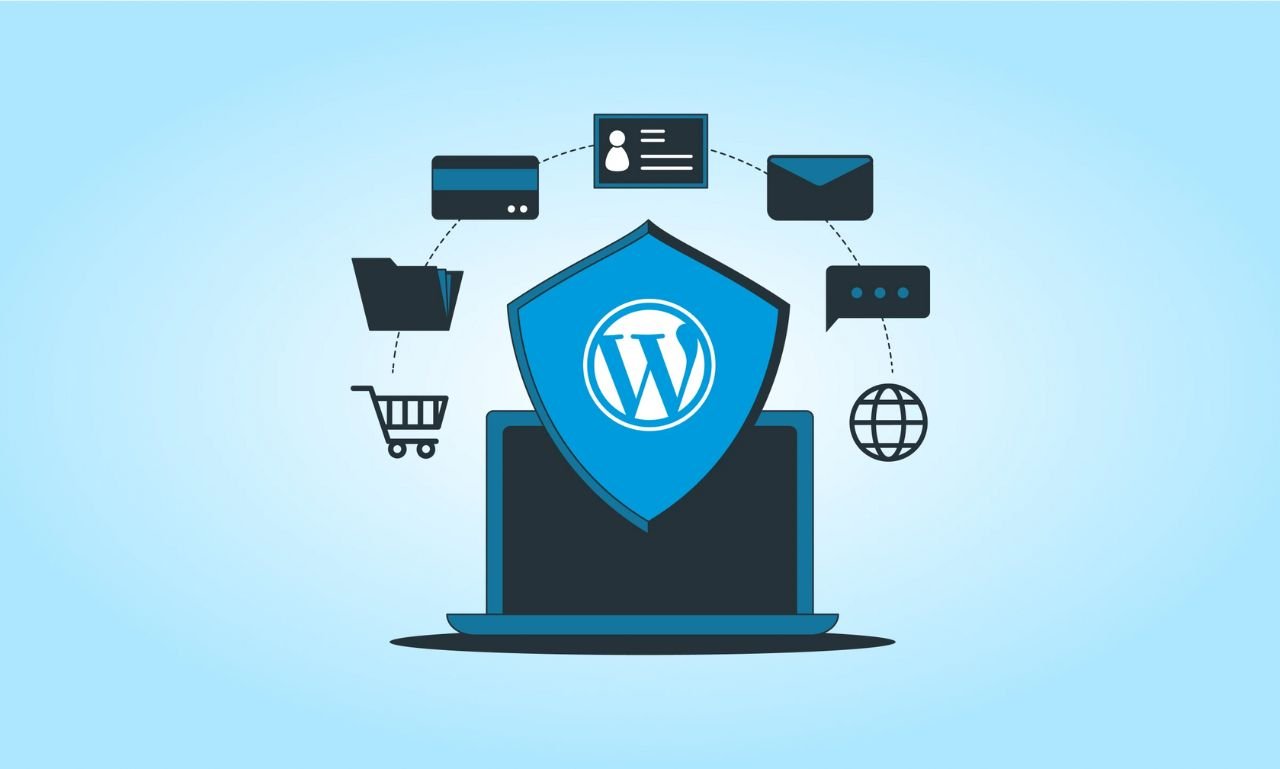
A professional cleanup is a rigorous, multi-step process designed to ensure no trace of the infection remains. The standard workflow includes:
- Core File Integrity Check: Comparing your current files against the official WordPress repository.
- Database Scrubbing: Searching for malicious scripts hidden within posts, comments, and configuration tables.
- Backdoor Removal: Identifying hidden “entry points” that hackers leave behind to regain access.
- Blacklist Resolution: Contacting Google, Norton, and McAfee to remove “Dangerous Site” warnings.
How Does Specialized Malware Cleanup Compare to Generic Hosting Support?
| Feature | WordPress Malware Removal Agency | Standard Web Hosting Support |
| Detection Method | Manual Code Review + AI Scanning | Automated Basic Scans |
| Database Cleaning | Full Deep-Cleaning | Rarely Included |
| Guaranteed Removal | Yes (Typically 100% Guarantee) | No (Often suggest a restore) |
| Future Hardening | Custom Firewall & 2FA Setup | Basic Server Protection |
| Response Time | High Priority (4-12 hours) | Low Priority (24-72 hours) |
How Has WordPress Security Evolved Over the Decades?
The Past: A decade ago, WordPress virus removal was relatively straightforward. Attacks were mostly “loud”—hackers wanted you to know they were there. Cleaning involved replacing an index.php file and changing a password.
The Present: Today, WordPress accounts for 43.5% of all websites. This massive footprint has led to the rise of automated botnets that scan millions of sites per hour. Modern WordPress malware removal agencies now require dealing with obfuscated PHP scripts that hide within legitimate system files.
The Future: Looking toward late 2026 and 2027, we are seeing the integration of AI-driven malware that can adapt to standard security plugins. The future of the WordPress malware removal agency lies in “Headless” security architectures and real-time behavioral analysis, moving away from static file scanning.
Is WordPress Hacked Site Repair Effective Against SEO Spam?
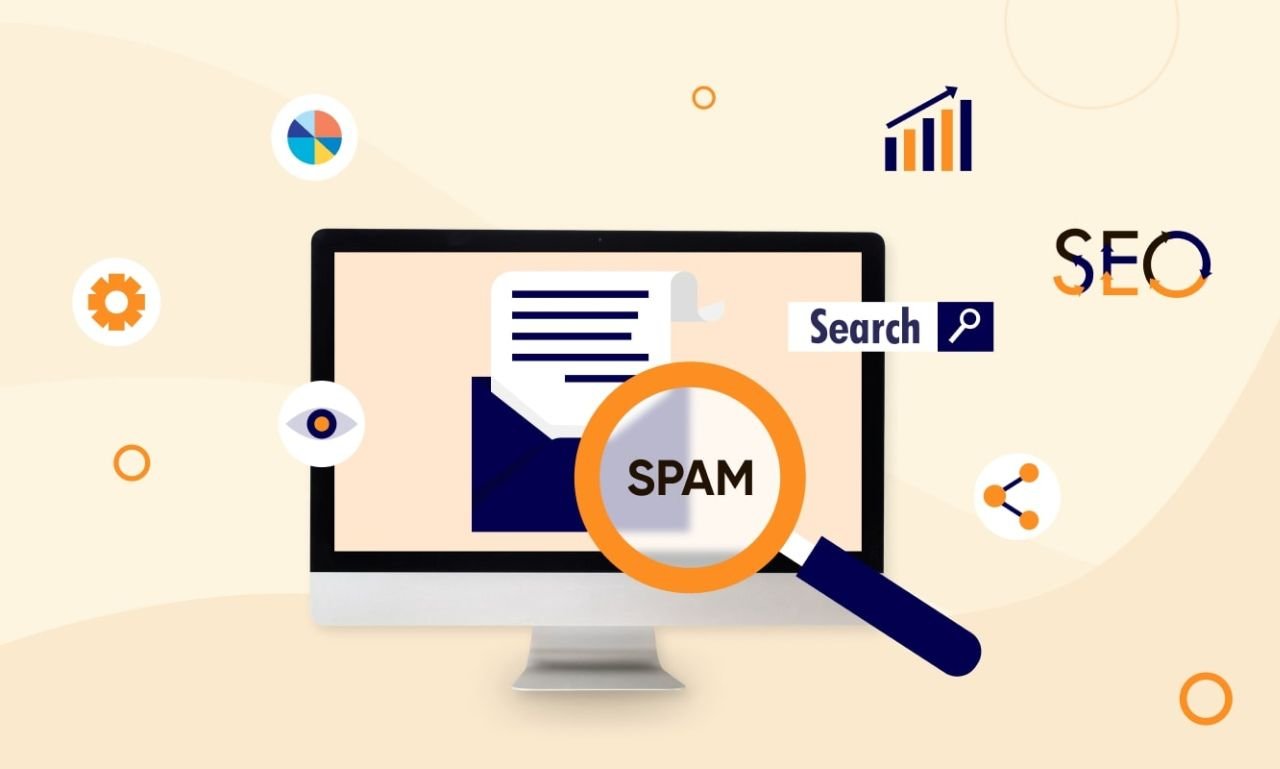
One of the most damaging types of attacks is the “Japanese Keyword Hack” or SEO spam. A WordPress hacked site repair specialist focuses on cleaning the thousands of fake pages that hackers inject into your site’s index. Without professional intervention, these pages can linger in Google’s index for months, destroying your search rankings. A specialist agency uses advanced tools to “force-crawl” your site after a cleanup, ensuring search engines see the clean version immediately.
“Automation is a tool, but manual expertise is the cure. You cannot rely on a plugin to fix a breach that was designed to bypass that very plugin.” — Marcus Thorne, Senior Security Researcher.
Why is Rapid WordPress Virus Removal Critical for Brand Trust?
When a user visits your site and sees a “Deceptive Site Ahead” warning, trust is lost instantly. Professional WordPress virus removal is about more than just code; it is about brand recovery. Agencies prioritize the removal of these browser warnings to ensure your customer journey is not interrupted. Every hour your site remains infected, the likelihood of losing returning customers and sensitive data increases exponentially.
What are the Risks of Cross-Site Contamination in Shared Hosting?
One of the most overlooked aspects of WordPress virus removal is the phenomenon of cross-site contamination. In shared hosting environments, dozens or even hundreds of websites reside on the same physical server. If one site is compromised due to poor security practices, the malware can “hop” across the server’s file system to infect every other site sharing that space. This is often why site owners find that even after a successful WordPress security cleanup, their site becomes reinfected within hours.
A professional WordPress malware removal agency addresses this by analyzing the entire hosting environment, not just the single infected installation. They look for “symlink” vulnerabilities and directory traversal exploits that allow hackers to move laterally. Without this high-level view, a site owner might spend days cleaning their own files, unaware that the neighbor’s site is acting as a persistent malware fountain. Agencies often recommend moving to isolated VPS or managed WordPress hosting environments as part of the WordPress malware removal agency protocol to ensure total containment.
Furthermore, cross-site contamination often hides in the tmp folders or the server’s cron jobs. These areas are usually inaccessible to standard security plugins. By employing an agency, you gain access to technicians who can liaise directly with data center administrators or use root-level access to purge scripts that exist outside your public HTML folder. This holistic approach is the only way to guarantee that a WordPress malware removal agency actually provides a permanent solution rather than a temporary bandage.
How Does a WordPress Malware Removal Agency Handle Post-Hack SEO Recovery?
When a website is infected, the damage to its search engine ranking is often more devastating than the malicious code itself. A specialized WordPress malware removal agency understands that cleaning the files is only half the battle. In 2026, search engine algorithms are hyper-sensitive to security signals. If your site is flagged, Google will quickly de-index your pages or display a warning that drives away 95% of your traffic. Professional WordPress security cleanup includes a dedicated SEO recovery phase to ensure your organic visibility returns as quickly as possible.
The recovery process begins with identifying “SEO Spam” or “Keyword Injections.” Hackers often use your site’s authority to rank for illicit terms, creating thousands of invisible pages that only bots can see. An agency uses specialized tools to fetch your site as a search engine bot would, uncovering these hidden URLs. Once the WordPress malware removal agency is complete, the agency will use the Google Search Console to request a “Security Review.” This is a formal process where a human or advanced AI at Google verifies that the site is clean. Without this expert intervention, the “Deceptive Site” warning can linger for weeks, even if the site is technically safe.
Furthermore, agencies address the “crawl budget” issues caused by the hack. When a site is flooded with spam pages, Google wastes time crawling junk instead of your high-quality content. A professional website malware removal service will generate a clean XML sitemap and use “410 Gone” headers for the deleted spam URLs. This tells search engines that the pages are permanently removed, allowing your legitimate content to regain its rightful place in the SERPs.
What Role Does Forensic Analysis Play in WordPress Hacked Site Repair?

Most site owners view WordPress virus removal as a simple deletion task, but true security experts treat it as a forensic investigation. A WordPress hacked site repair is incomplete without understanding the “how” and “why” of the breach. Forensic analysis involves examining server logs (access logs and error logs) to trace the hacker’s path. By looking at timestamps, an agency can see exactly which file was uploaded first and which IP address was used to execute the attack.
This forensic approach is what separates a top-tier WordPress malware removal agency from a standard plugin. Plugins can tell you that a file is infected, but they can’t tell you that the hacker gained access through a vulnerability in an outdated slider plugin or a compromised FTP account. During a WordPress security cleanup, forensic analysts look for “Timethumb” exploits, SQL injections, and Remote File Inclusion (RFI) attempts. This data is then used to create a custom hardening plan, such as blocking specific country IPs or implementing “Virtual Patching” through a Web Application Firewall (WAF).
Forensics also helps in identifying “dormant” malware. Some sophisticated scripts are designed to stay quiet for months before activating. A manual malware cleanup for WordPress involves checking the “Last Modified” dates of all core files. If a core file wp-settings.php shows a modification date that doesn’t match the official WordPress release, it’s a forensic red flag. By performing this deep-level audit, agencies ensure that the repair is permanent and that no “sleeping” scripts remain to reinfect the site later.
How Do Vulnerability Research and Zero-Day Protection Prevent Future Attacks?
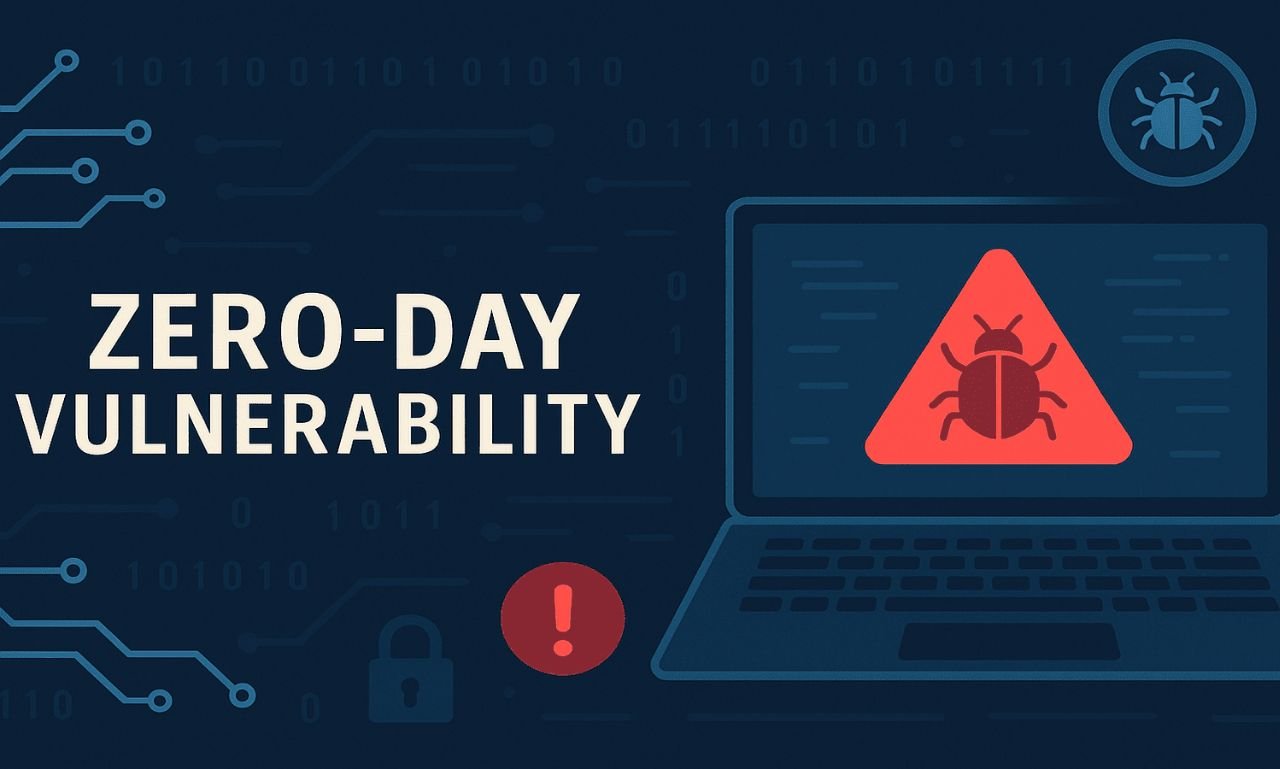
The best WordPress malware removal agency is one that evolves faster than the hackers. Leading agencies invest heavily in vulnerability research, staying ahead of “Zero-Day” exploits—flaws in WordPress core, themes, or plugins that are not yet known to the general public. When a new vulnerability is discovered, a WordPress malware removal agency can proactively protect all its clients before the hackers even begin their automated scans. This proactive stance is a core component of a modern WordPress malware removal agency.
In 2026, many attacks are automated by AI bots that scan the web for specific versions of popular plugins like WooCommerce or Elementor. Once a vulnerability is publicized, it takes mere minutes for these bots to begin exploitation. An agency provides a layer of protection by implementing “Least Privilege” configurations and disabling high-risk PHP functions like exec() or system(). They also move sensitive files wp-config.php to non-standard directories to confuse automated scripts.
Lastly, future-proofing includes the implementation of Content Security Policies (CSP). This is a technical layer that tells the browser which scripts are allowed to run on your site. If a hacker manages to inject a malicious script, the CSP will block it from executing, rendering the attack harmless. This level of advanced WordPress malware removal agency moves the site from a reactive “clean-when-broken” model to a proactive “secure-by-design” model. By leveraging the expertise of an agency, site owners gain access to enterprise-grade security tools that are typically unavailable to the average user.
Why is Database Optimization Critical After Malware Removal?
When people think of a WordPress hacked site repair, they usually focus on the files—the PHP, JS, and CSS scripts. However, the database is often where the most insidious damage occurs. Hackers use the database to store malicious redirects, create hidden “shadow” admin accounts, and inject spam links that only appear to search engine crawlers. A thorough WordPress security cleanup must include a deep clean and optimization of the SQL database to restore site performance and integrity.
Malware injections often bloat the database with thousands of rows of junk data. This bloat slows down query execution times, leading to a sluggish user experience and poor Core Web Vitals scores. After a professional WordPress malware removal agency performs a database optimization to remove these overheads, re-index tables, and ensure that the wp_options table is free of autoloaded malicious scripts. This not only secures the site but often results in a significant speed boost, turning a security disaster into an opportunity for performance improvement.
Beyond just cleaning, the optimization process involves auditing the wp_users table for “ghost admins.” Hackers frequently create accounts with names that look legitimate (e.g., wp-admin-support) to maintain access. A WordPress malware removal agency manually verifies every user and resets the salts and keys in the wp-config.php file. This forces the database to invalidate all current sessions, effectively “logging out” the hacker and ensuring that even if they have the old cookies, they can no longer access the backend.
Frequently Asked Questions (FAQ)
1. What is the average cost of a WordPress malware removal agency?
Prices generally range from $150 to $400 for a one-time emergency cleanup. This price usually includes a full WordPress malware removal agency, blacklist removal, and a 30-day monitoring period to ensure the malware does not return.
2. Why should I choose a website malware removal service over a plugin?
Plugins are reactive and can be deactivated by sophisticated malware. A professional WordPress malware removal agency provides human oversight and manual code audits that can identify “zero-day” vulnerabilities that plugins haven’t been programmed to find yet.
3. How long does a typical WordPress-hacked site repair take?
Most professional agencies can complete a full WordPress hacked site repair within 4 to 24 hours. The duration depends on the size of the database and the complexity of the infection (e.g., if the malware has spread to other sites on the same server).
4. Will my website data be safe during the cleanup?
Yes. An authoritative WordPress malware removal agency will always take a full backup of the infected site before beginning work. This ensures that even if a file is corrupted, your data remains intact and can be surgically restored.
5. Can malware return after a professional cleanup?
Malware only returns if the entry point (the vulnerability) isn’t closed. A professional WordPress malware removal agency includes “hardening”—updating old software, changing salts/keys, and securing the wp-config.php file—to ensure the door is locked behind the hacker.
Conclusion
Navigating a website breach is stressful, but you don’t have to do it alone. Investing in a professional WordPress malware removal agency ensures that your site is not just “cleaned” but “cured.” From immediate WordPress virus removal to long-term SEO recovery, the right experts protect your digital future.
At WPCarePoint, we provide the technical precision and rapid response needed to handle any security crisis. We specialize in comprehensive WordPress solutions that keep your business safe, fast, and online.
Would you like me to scan your site’s headers to see if your current security configuration is up to 2026 standards?
Thanks for reading our article.
Developer at WPCarePoint
Booking for a 30-minute Free Consultation on Google Meet: Click here for an appointment today.
contact@wpcarepoint.com
www.wpcarepoint.com